Saturday, 15 August 2015

If Pixar's Inside-Out emotions were behind the decision to leave your country

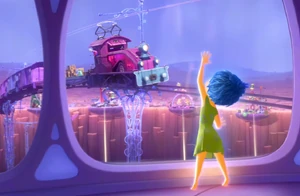
Since I saw the movie Inside Out, I wanted to write something about it, but I didn't want it to be a review. So, today I'll focus on the "inside" part of things... Pixar's emotional head office, which despite not being 100% accurate, gave a very understandable and entertaining look at how emotions can drive the process of decision-making.


In the movie, we were introduced to anthropomorphic depictions of Joy, Sadness, Disgust, Fear and Anger. All working together inside Riley's head, driving her like the Power Rangers drove their big robot. And during short moments in the film, we got to see other people's emotional team in action (Riley's parents being the funniest).  


So, let's pretend that everyone has a colour coded small council of emotions controlling their minds... How would this team deal with the decision to emigrate? 

Note that there are countless reasons and circumstances for leaving your country, but I'll focus on mine, and on the ones closest to myself. Here's some quick context: As the decade advanced, life became harder and riskier in Caracas, Venezuela, therefore, thousands of people who were considering it, finally made the choice of moving abroad. 

At first you try to find reasons to stay...

JOY: Come on guys, it's not that bad! In here it's always summer and you get to see your family any time you like. 
FEAR: And if we go, we'll have to start again... no friends, no money. Do you know how difficult it will be to find a job in your field? We are probably going to end up cleaning toilets.
DISGUST: EWWWWWW! That's gross. Definitely not. Let's stay in our nice, tidy and clean office.
JOY: That's the spirit! I guess... 

But then you find out more and more people you love are leaving...

SADNESS: Everyone's going... we'll be all alone in no time.
ANGER: AAAAHHHH! Those traitors... 
JOY: It's their journey, let's be happy for them instead, they're following their dreams! And who knows? Maybe one day we can go and visit them and have the best holiday ever.
SADNESS: All these airport selfies and good bye parties are breaking my heart.
DISGUST: And they are now posting a bunch of dumb opinions on Facebook about what's happening here.
ANGER: MORONS... They left! They have no right to complain! Let's give them a piece of our mind...
FEAR: Better not... they're out, but we're still here... what if someone reads this opinion and gets us in trouble? It can cost us our job! We better be quiet and say nothing guys, say nothing.

And you start questioning your plans...
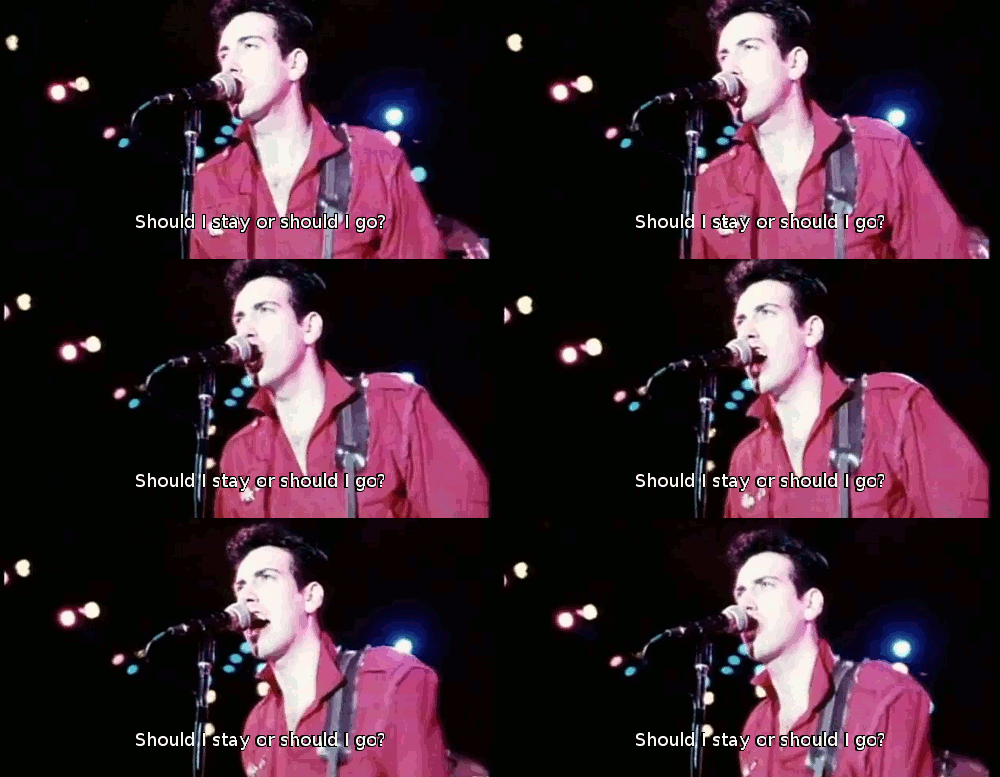


ANGER: Did you read the news today?
JOY: Which part?
ANGER: EVERYTHING! It's mayhem. Aaaaahhhhhh! I'll just throw the paper against the wall and jump on it repeatedly.
SADNESS: I read them, we're doomed... What's the point of working so hard?
FEAR: We gotta get out of here as soon as possible. Let's buy a plane ticket, now, quit our job, no time for planing.
JOY: No guys, relax, we'll be OK. Things always get worse before they get better. We just have to keep doing our thing and be more careful.
DISGUST: If I have to do one more supermarket queue I'm going to throw up. I'm so sick of it all.


Until you have a heart changing experience. Very commonly, you get mugged at gun point, a relative (or yourself) is kidnaped, or sadly, and even worse, someone you know gets seriously injured or even killed. Sometimes you simply get overwhelmed by these things happening to people around you.

JOY: Ok, we were mugged, but at least we are still alive! They only took our stuff, we'll get over it.
ANGER: No, it's not fair. We worked so hard to buy all that, and they just come and take it, with no consequence. I'M DONE!
FEAR: What if next time they shoot us? Let's not leave the house, ever.
DISGUST: I can't believe I can't even go out with friends in the middle of the day. This sucks.
SADNESS: Well, even if we could, they're all gone now.
JOY: That's not true, not all of them... And again, the important thing is that we're fine. Remember how lucky we were.
FEAR: This time.

And a new train of thought departs...
Maybe this is it... Maybe it's my time to emigrate
So again, you try to see the glass half full...

JOY: It will be great! We'll travel, we'll learn and we'll have the opportunity of a better life! Best decision ever.
FEAR: I don't know.... I'm starting to have second thoughts. What if we sell everything, quit our job and then fail and have nothing to go back to?
JOY: Don't be silly! We are smart and hard working, we'll find something to do, just be humble and don't get too picky, at least in the beginning.

But it's not easy...

DISGUST: I see where you're going and I already told you I'm not cleaning toilets.
ANGER: IT'S SO FREAKING UNFAIR! I didn't spend 5 years in college to end up moping floors, bathing old guys or washing dishes.
DISGUST: Is that a real job? I'm not bathing anyone but myself.
SADNESS: I want to cry... We'll miss our family so badly... It will be too painful. Let's reconsider.
JOY: What happened to you guys? We wanted this, let's make it happen! We just need a plan. And besides, doing that for a few months doesn't mean we'll do it for the rest of our lives. We might even be lucky enough to find a nice job you know? It happens. I think.
SADNESS: No one gives the nice jobs to foreigners fresh off the boat.
JOY: Then we'll do what we have to and gain some experience. Volunteering is always an option!

And you eventualy have a breakdown...



SADNESS: Why is this happening? Staying is awful, leaving is awful, life is just so sad and difficult.
ANGER: And you see the ones to blame on their shiny new cars drinking Champagne while the people suffer from milk shortage and families get hurt by criminals routinely. I HATE IT! I hate it SO MUCH! I hate this, HATE THIS, hate it.
FEAR: Shh... don't said that out loud, you don't know who's listening.
ANGER: SO WHAT?, I've had it! If they hadn't destroyed the country, we wouldn't be having this problem. Our lives would be happy and normal.
DISGUST: I suggest we post an eight pages long complaint on Facebook.
ANGER: YESSS!
FEAR:  Are you guys insane? 
SADNESS: There's no point in doing that, or anything, at all. I'll just give up and keep doing my daily things like a zombie. Perhaps I should drink more and care less.

But deep down, you know that if you let that though get you, you're done
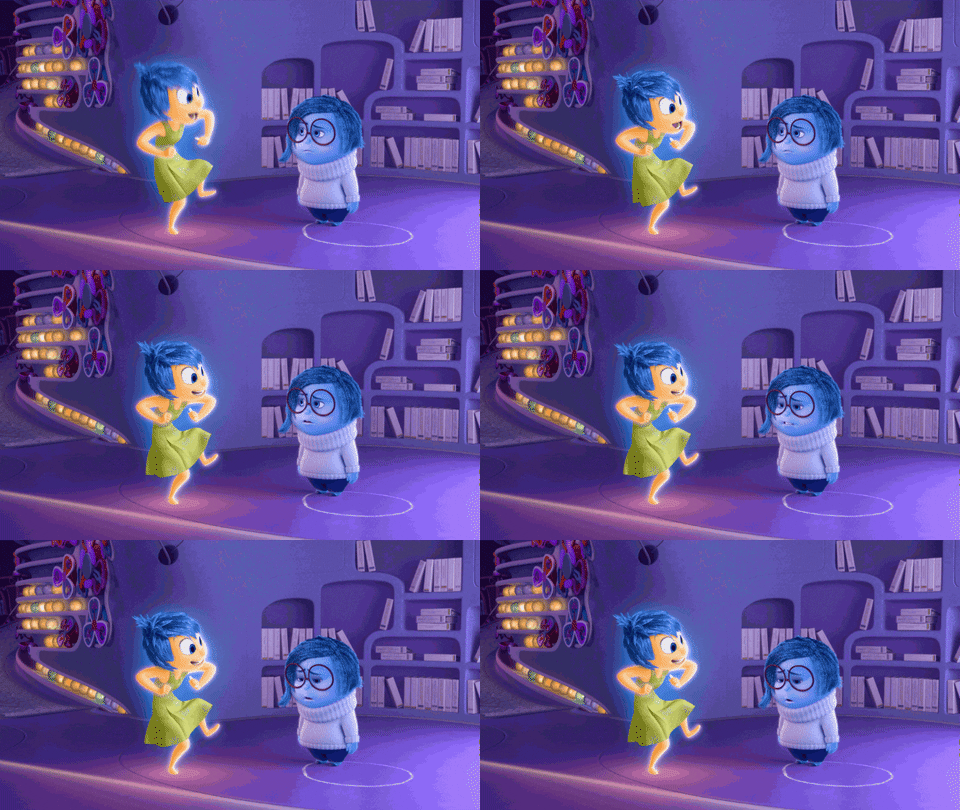
JOY: Don't you ever say that again! Remeber, we have a plan! We can do this!
FEAR: I'm afraid we can't aford it.
JOY: We'll get a loan, find an scholarship, sign up for a volunteering program... There's always a way, and people with less resources all around the world pull it off every day.
SADNESS: It's just too hard.
JOY: Then we'll work even harder. There's not point in hurting ourselves or in giving up without trying.
ANGER: We can't let them win, LET'S DO THIS!
FEAR: Yes, let's leave right now, don't ever look back.
JOY: Woah, hold it... Sure we will, but let's put our heart in the right place, we are doing this for us, not to prove a point, and we can't just leave everything and vanish, let's come up with a plan and do it well.

And while the time passes, you'll have your up and downs, your second thoughts and rants, but with lots of determination, optimism and effort, you'll find yourself taking that airport selfie and departing to a new life where you'll discover new things to fear, more injustices to get angry about, new memories that will make you sad and attitudes that will disgust you, as well as a lot of experiences that will bring you lots of joy

Some days you'll miss home, some days you'll say you're never coming back. But most of the time, just like Riley's memories in the film, you'll have mixed emotions, just be mindful of which one you decide to put in charge because that will shape your whole experience.

Friday, 31 July 2015

The Marvel Designated Woman or why is there just one girl in many Marvel movies

This was written in 1991:
"Contemporary shows are either essentially all-male, like "Garfield," or are organized on what I call the Smurfette principle: a group of male buddies will be accented by a lone female (...). The message is clear. Boys are the norm, girls the variation; boys are central, girls peripheral; boys are individuals, girls types. Boys define the group, its story and its code of values. Girls exist only in relation to boys" [You can read the whole article via The New York Times].


I found it this morning, while looking for inspiration on this article, which I decided to write after watching the new Fantastic 4 movie yesterday. I've been playing with the idea since a couple of weeks ago, when I watched Ant Man.


Spoilers for both movies ahead...


So, these two movies are based on Marvel comics (although F4 was made by 20th Century Fox and not Marvel Studios) and have something in common: not just was there only one girl in the starring team, she was basically the only woman doing something in the whole movie. Well, in Ant Man it wasn't as bad: there was a brief appearance by an aging Peggy Carter and a reference to the first Wasp, and Scott's ex-wife and little daughter both had names, but that was as far as their personalities went.
In F4, besides the Invisible Woman, a few nameless moms and a couple of background staff members typing stuff were it. And Sue Storm (a.k.a. Invisible Woman) didn't really have any defining traits beyond being a daughter of professor Franklin, a sister of the Human Torch, an inferred ex-girlfriend of the villain and a potential love interest for the smartest guy (Reed Richards a.k.a. Mr. Fantastic). Ah, she liked music and she was "able to see patterns". 

She didn't even get invited to drink with the guys when the machine she helped create during years finally worked, nor was she in the group when they drunkenly decided to send themselves to the other dimension (the fact that Mr. Fantastic's childhood friend was there and she wasn't just makes this worse). But when things went wrong, she was there, supporting the guys and trying to bring them back home.
She was already the Invisible Woman before the accident gave her the power.

But Sue is not the only one with the super power of pattern noticing, and this made me think about a character type that I'll call the Marvel Designated Woman.
WHAT IF ALL AVENGERS POSED LIKE THE BLACK WIDOW? Via http://io9.com


The good news is that she's strong, smart and brave, the not-so-good-news is that she still fits perfectly with the quoted article at the top of this post.
I am referring to the movies, but I wouldn't be surprised if this was the norm as well in the comics.
So, here are a few of the most popular Marvel Designated Women...

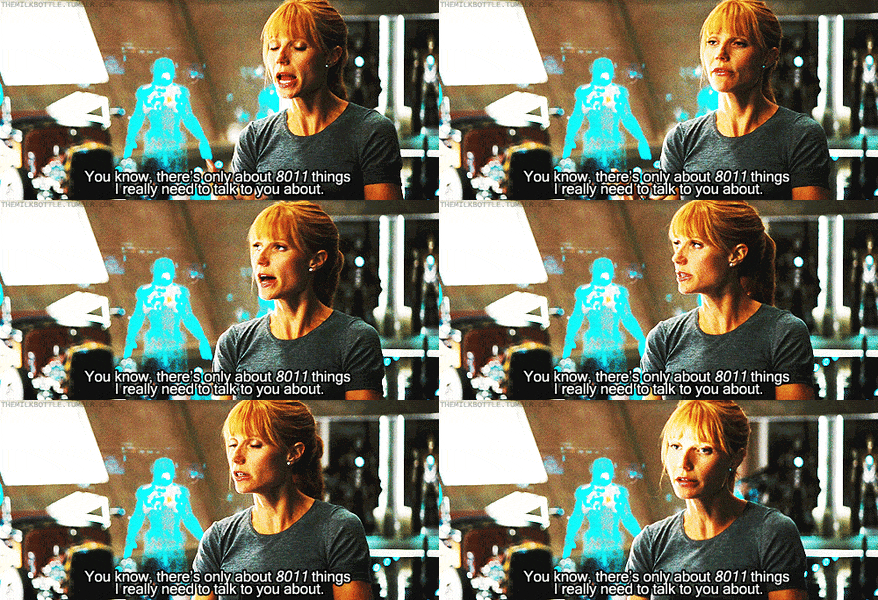
Pepper Potts: One of her most memorable lines says it all: "I do anything and everything Mr. Stark requires. Including occasionally taking out the trash." She's the CEO of Stark Industries, although she used to be his Personal Assistant and before that, an accountant at his company. She eventually develops feelings for Tony Stark, but their relationship is complicated (he doesn't put much time or effort into the relationship and still treats her like his PA most of the time... and he takes great pride on being a Playboy).


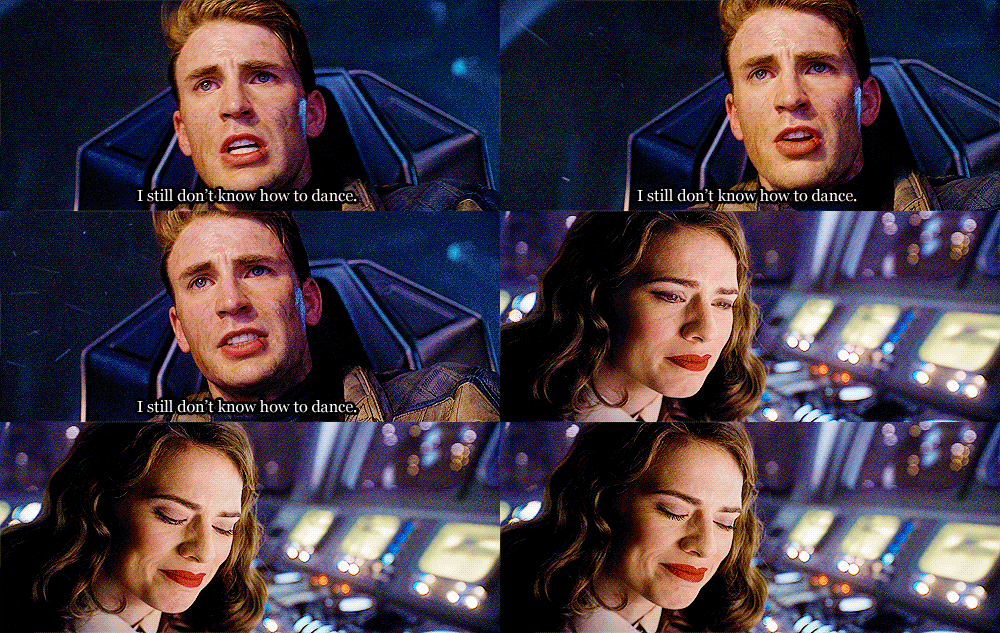
Peggy Carter: She's an extremely talented agent and part of elite scientific projects. She helped train Steve Rogers who then became Captain America. She eventually develops feelings for Rogers but their relationship is complicated (he was unfrozen after decades and she had moved on with her life and aged).


Black Widow: Named Natasha Romanoff, but renamed after the spider known for eating their males, she's a KGB trained martial artist/spy/killer that now fights with The Avengers. On one ocassion she reveals that she's sterile and calls herself a monster right after that. She eventually develops feelings for The Hulk, but their relationship is complicated (he doesn't seem very interested in happiness).


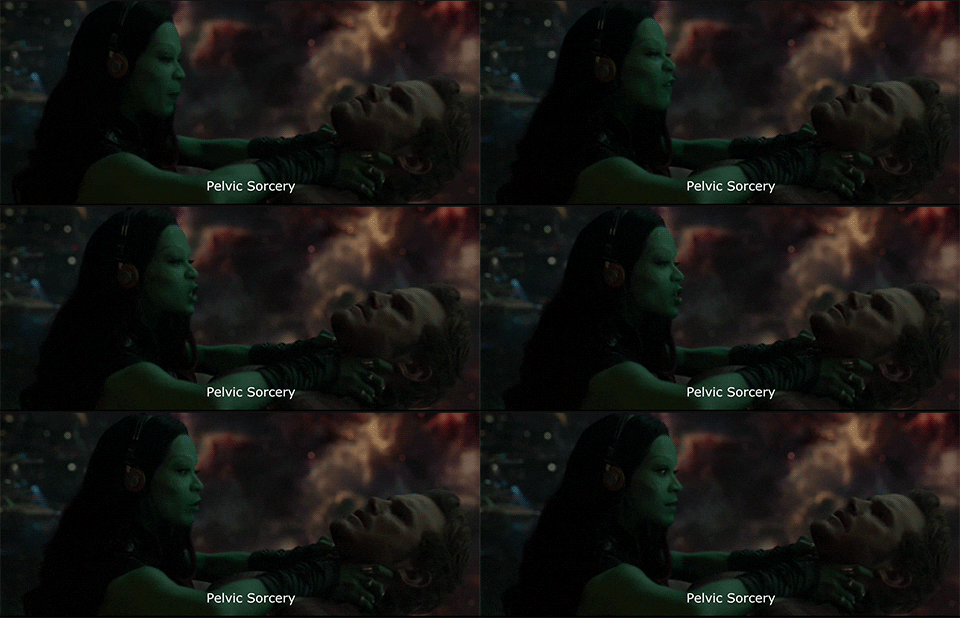
Gamora: After serving her adoptive father Thanos (who happened to kill her entire race and modified her to make her the ultimate weapon, so it made sense when she betrayed him), the "deadliest woman of the Galaxy", as she called herself, met Star-Lord while searching for the Orb. They antagonized in the begining, but eventually she accepts his leadership and shows potential for romance (she rebuffs his moves, but it's implied that she kind of likes him by the end).


Hope van Dyne: This super smart, martial artist and scientist is the daughter of Hank Pym (the creator of the Ant Man suit), the girlfriend of Darren Cross (Pym's protege gone bad) and the mentor of Scott, the charismatic but unqualified guy that got to wear the Ant Man suit and save the day instead of her (because daddy didn't want to risk her in combat, but some how it was ok with her sleeping with the sociopath bad guy all along). She went from resenting and disliking Scott, to eventually developing feelings for him and they kiss at the end. In the after credits she finally receives a Wasp Suit and she says "It's about damn time", but it was actually a little late.


So, if you are up for the job as a Marvel Designated Woman, here's what you'll need:
  • Be extremely good looking (to be fair, this is also expected in most of the guys, but I'd bet that if Groot or Rocket Racoon had female equivalents, they'd find a way to make them "sexy").
  • Be extremely smart.
  • Be an awesome figther, but have no actual super power.
  • Develop romantic feelings for one of the main guys.
  • Support the main guy/s at saving the day (but let him/them have the spotlight).
  • Be ok with having your action figure sold separately.
WHERE'S GAMORA? Via http://www.womenyoushouldknow.net
WASN'T BLACK WIDOW THE ONE ON THE BIKE IN THE MOVIE? Via http://toybox.io9.com
Yes, there are exceptions (like the X-Men with a more balanced team of heroes), and yes, they are all cool, strong characters, but still, all the guys have fun while the Marvel Designated Women drive them to save the universe.
And let's finish with music!

Monday, 20 July 2015

The 10 biggest movie regrets I've had [+Handmade Comic]

I love going to the cinema or watching movies at home, and normally, even if the movie itself turns out to be bad, I can still value the experience of spending time with someone whose company I enjoy.
However, there are times in which the film, the companion or something related to the situation is so ill-chosen that it all becomes not just an unpleasant time, but a horrible experience.


Here are my top 10 movie or cinema related regrets...

10. Trying to take a selfie inside a movie theatre...
It was 2003, so instead of a mobile I had a digital camera. The staff saw me and tought I was pirating the movie. I was kicked out and so were my friends. Luckily, they believed (the truth) after I explained and allowed us back. We missed the first 15 minutes of The Last Samurai, but the shame will stay with me forever.


9. Going to see "Zamora" with a politically active friend
For those who don't know or don't remember (which is probably everyone), it was an historic drama funded by the Venezuelan government. It was over the top, biased and full of lines that would make any historian cry. I wanted to see it because I was curious of how badly they could strech the facts, but I invited a friend with very strong feelings about politics and history (oposite to all the things the movie stood for), who just couldn't shut up for an hour. It was so bad that I grabed my stuff and left. We had a fight. We didn't speak for months. And it wasn't because my opinions were different, I agreed with him, but I had never seen a person talking so much during a film in my life, I just didn't know what to do.


8. Watching 50 Shades of Grey with fans of the book on premiere weekend
To each their own, but, as a person that couldn't care less about 50 Shades, being in the cinema with fans of the book started out as a bit awkward. And it was all down hill from there. Women screaming, gasping, moaning and being all weird (and that was in the audience). And of course, my friends comparing the scenes to the book (wasn't this the part where he whipped her? wasn't he nastier in the books? They are cutting all the good sex parts!). 


7. Going to see Scary Movie with my dad
All my friends had watched it and it was PG13 but I was 12 so, I could only see it with a responsible adult. I annoyed my dad into acompanying me and after the first 5 minutes I regreted that decision. The stupid parts felt more stupid, the sex jokes were making me annoyed, and the fact that I insisted so much to get away with that, made it impossible for me to admit that he was right, and it was a dumb movie, so I had to pretend I was having fun.


6. Watching Black Swan with a psychologist who was doing her thesis on depression in dancers
For some reason, I though it made perfect sense to share a movie about a dancer going mad with my cousin who was writing her thesis on depression in dancers. Now I know better. Of course, she had to analyze as we watched, of course she compared it to other cases, of course she had to make me regret the choice of film.

5. Having a pint just before entering the premiere of Song of the Sea
I was lucky enough to get an invitation for the screening of this beautiful Irish animated movie, I even got a "plus 1". Me and my "plus 1" -a friend from work- decided to drink a pint of beer and immediately after that, got in our seats. I loved the film, but I was dying to pee during the whole time and because it was the screening and everyone was all fancy, we didn't dare to get out and come back. The fact that the ocean, the waves and the beautifully animated water was all over the place didin't help.


4. Going to see Spirited Away with little cousins and grandma
Because it was distributed by Disney (and advertised as their movies ussually are), my family assumed that Chihiro would be some sort of Japanese Disney princess movie. My little cousins had two of the most boring hours of their life, and my granma had two hours of power napping (it wasn't so bad for her I guess). I was heavily into anime at the time and felt that I missed two birds with the same stone: the chance of doing something nice with the family, and the chance to enjoy the movie.


3. Watching Peter Jackson's King Kong with my father in law
I know that "animals don't behave that way in nature". I know that. But somehow, he needed to mention this every few minutes for the (three hours) duration of the movie. It's fantasy, not a documentary and nodding disapprovingly is not going to make the experience any better.


2. Watching Tim Burton's Alice in Wonderland on a hot day where the Air Conditioning was down at the theatre
What do you get when 200 people are in a cinema with no air conditioning in a tropical country? Besides runny eye liner on all the emo kids (which were A LOT in this ocassion), you get the place smelling strongly like sweat, a few angry parents and crying babys. Welcome to Wonderland.


1. Watching any movie starring a cute dog
I've learned the hard way to say no to films with a lovely dog in the poster. They have only three possible outcomes: The dog saves the day, the dog dies or both at the same time. The first one is normally too dumb, the other two, too sad.


I'll leave you for now with a little comic about annoying stuff that people do at the movies...


Runners up:

  • Watching Harry Potter with my mom [who hates "when kids outsmart adults" in films].
  • Watching Hamlet with my husband [who fell asleep in Act I].
  • Watching The Ring with some highschool friends that I didn't really like [Who bullied the ones that looked scared].
  • Watching any musical with anyone who hates musicals [Especially if they didn't know the movie was a musical].

Wednesday, 15 July 2015

Why is everyone rushing you through life? [+Handmade Comic]

Go and listen to a song by Blink 182 called "What's my age again" and you'll hear a line that says "Nobody likes you when you're 23".
Few times a song has said something so true. You're supossed to have 5 years of experience at adulting by then, but you still have no clue.
And maybe it's because this topic of age-appropriateness is one that annoys me particularly, but I feel like since I was a baby, everyone is been trying to rush me through life.
In fact, every 5 years, since I was three years old, there's been a landmark that I'm supposed to reach and that everyone loves to ask about.

...

Age: 3 years.
What you know: Walking, eating, holding a very basic conversation.
...
What's expected of you: Counting from 1 to 10, going to a nice pre-school, learning a few words in another language, singing full songs in front of your parent's guests......


Age: 8 years.
What you know: Reading and writing, very basic maths, making sandwiches.
...
What's expected of you: Knowing the Multiplication Table like a poem, not crying when upset (especially if you're a "big boy now"). Some people go as far as asking if you already have a crush or a sweetheart (does Pikachu count?). 
...

Age: 14 years.
What you know: Anything related to primary school knowledge (and most middle-school), playing a sport, videogames, making better sandwiches, travelling by bus by yourself.
...
What's expected of you: That you know what career you will study, behaving "like almost a grown up" (whatever that means) and that you help around the house (especially if you are a "young lady"). Your friends will expect, on top of that, that you have a boyfriend or girlfriend (and at least French kiss each other) and that you never say anything childish in public.
..

Age: 18 years.
What you know: If you're lucky, the same as above, plus how to be a freshman and perhaps 6 months retail experience.
...
What's expected of you: That you behave like a mature adult and make your own decisions (as long as your parents agree with them).
...

Age: 23 years.
What you know: You're either graduating from college or have a few years of experience at working in an area of your choice (likely, you've changed jobs a few times and only have summer jobs or internship experience).
...
What's expected of you: That you are the most extraordinary person to ever walk the Earth. Since your parents owned half the city when they were your age (and travelled the world as well), they can't explain how you haven't "made it" if you've always been so smart (you even knew full songs when you were three). Your friends start getting married or moving abroad and they want to know when you will do the same.
...

Age: 28 years.
What you know: Perhaps you have a Masters Degree (congratulations!). Maybe you're married or living with someone you like and you are likely employed at something that at least pays the bills. 
...
What's expected of you: If you're single, guess what. If you aren't, then the audience will demand BABIES, now. Some will warn you that you're about to "miss the train" and others will list all your friends and relatives that have joined the mommy club. No worries, if you have a baby, people will remind how important it is to give him/her a brother or sister.

This is why sometimes you erase your face with make up at 13 trying to look sexy to find a boyfriend, you have a panic attack if you're 18 and haven't been kissed or get yourself a big debt to buy a fancy and expensice hand bag at 23 to appear successful (because nothing says "I made it" like holding a 1000 euros bag with a 500 euros wallet with 5 cents inside it).

And this doesn't stop. Ever. A few weeks ago I had one of those conversations where a loved one screens you for progress and I lost it.

-Why don't you just ask me when am I planing to die?
-Woah, Gaby, you don't have to be so morbid. Relax.
-Sorry, but I would be nice to be asked about my present as well.
.
And, to avoid closing with such a bitter conversation, let me share a little comic I made:


...
¿What are you going to do with your life?

Tuesday, 7 July 2015

"Everything will be fine". Interview to a Venezuelan girl in Ireland

If you prefer to read the Spanish version of this article, click here.

A few days ago, I read an article about the efforts of a couple of Venezuelans to move to London and stay there. I really liked it and got me interested in finding similar stories in Dublin. After that, I contacted by Facebook and agreed to meet a Venezuelan girl living in Ireland. We met at a cafe in City Centre.
 Graciela, from Valencia (Venezuela) was kind enough to to tell me and let me tell her story.


Like many other Venezuelans on the island, she arrived during the infamous first quarter of 2014, a period in which many of us felt like we were inside one of those science fiction movies where you have to go through a portal that is closing and once that happens, it will be too late to escape and the characters will be trapped in a parallel universe.

Life Ireland was not actually her dream, In fact, Canada was her first choice, but after a mistake with paperwork, Graciela didin't want to risk herself to a second and costly rejection. That's when the idea of the Emerald Island came to her, during a fair for options to study abroad,

Initially, the plan was to spend six months studying English, a skill that was becoming more and more necessary in her work; as an International Trade graduate with a good position in a textile company in Valencia, things were going well, at least on a personal level.

But the environment was becoming less encouraging. It was October 2013 when she decided to buy a ticket and get away from the violence, insecurity and many other ills not worth listing at this moment.

Kinetic Art
A estas alturas la foto de los pies sobre la obra "Cromointerferencia de color aditivo" de Carlos Cruz Diez en el piso del aeropuerto es prácticamente un meme de Internet. Pero quienes recorren la obra con sus dos maletas y un bolso de mano son también artistas cinéticos, o en criollo, del movimiento.
By now, taking a picture of your feet while standing on the art piece "Cromointerferencia de color aditivo" by Carlos Cruz Diez, installed on the airport floor, is practically an Internet meme. But those who walk the site with their two suitcases and a handbag are also kinetic artists, or in plain English, artists of motion.
Via usuarioblog.com
Since she had her ticket at hand, Graciela began planning her strategy, which involved bringing with her 19 year old brother to Dublin with her (his older sister was already in Miami).
"I decided to spend Christmas with my parents. I told them I had a feeling that this was going to be our last Christmas together in a long time," she says. In the coffee shop, during the interview, we share a latte and a tea with milk, and as usual, it's raining.

"On January 4, I left Mom's house and went to Dad's. At first I just wanted to learn English, but by this point I had had enough," witnesing the murder of a person and the occsaion where she decided to stay home instead of partying only to find out that some guys who were rejected at the club's door decided to get in a car and randomly shot bullets to the people queueing, gave her two arguments as heavy as the lead she no longer wanted to continously be fearing.
Thus, after she "removed all the thorns" and forgave accumulated grudges, Graciela said farewell to Venezuela in peace, without melodrama. A friend accompanied her to the airport, so she avoided sheding tears over the floor's work of art.

What are you going to there?- her mother asked a few days earlier.
Anything-

The formalities to leave the country, long, bureaucratic and intimidating to many, went quickly and smoothly for Graciela, a fact that she soon interpreted as a good sign. Her only regret about how she handled things was the way she and her older sister decided the journey of her brother, "He understood that it was good for him, but he was very hurt that we had decided everything behind his back. He was sad, he had to break up with his girlfriend and leave all his friends. We never asked him what he wanted to do", she remembers.

"I took the typical photo at the airport and I said, I love my country and my experiences here. It's unfortunate and sad, but today I say goodbye and I hope that God and Virgin Mary might give me the opportunity to return someday."


The luck of the Irish
The expression "The Luck of the Irish" is used by many people to imply that someone is simply lucky, but it's a little more complicated; After all, anyone with minimum knowledge of Irish history knows that this is a nation that has gone through very hard times. Therefore, the expression actually has almost a bittersweet connotation: it is a type of luck that only comes after overcoming great odds, a fortune that makes you wait.

For example, the luck of the immigrant who left everything behind and crossed the ocean to survive. A hundred years ago were them, now it's us. One hundred years ago they found jobs at mines, today in the back of busy restaurant kitchens. Maybe the world has made a little progress after all.

Shortly after arriving in Dublin, Grace received her first portion of Irish luck ...

"A guy offered to rent a room for my brother, a friend who was with us and myself. The house was cute and in a nice area. The three of us would manage with just a room: My brother and I in the double bed and my friend in the small one." Unaware of prices in the area, and trusting the guy because he was Venezuelan as them, they accepted a price of 350 euros per person (for a total of 1050, the price of an apartment conveniently located or a nearly enough to rent a small house outside city centre).

"We arrived in winter and it was cold. The landlords were a couple of Venezuelan Evangelicals. We were not allowed to turn on the heating. We were always in the room and when the february mess exploted, I was all day glued to my computer."

Confronting their landlords only made matters worse, childish fighting in common areas kept the house busy, while on the other side of the Atlantic their country was a constant source of news about injured protesters, destruction and death tolls.
They decided to separate, both boys went into a double room and Graciela moved to another, in the apartment of an Irish woman, who she called "a disastrous spinster, who I was unable to understand at all. At least it was near the city center".

And the streak of Irish Luck was just beginning. The institute which she came to study English at was one of the first affected when several language schools began to close in 2014, leaving many students stranded in Ireland without the possibility of meeting the attendance requirements needed to keep their student visas. On top of that, after the aforementioned "February mess", the Venezuelan government took the closing of Irish schools as an argument to suspend the authorization of currency exchange for students that were already in Ireland (claiming that they could be participating on fraud with corrupt school managers). So, students like Graciela were not able to get money from home, and had no possibility to get jobs because their student visas were at risk due to attendance records.

"We were going to meetings with immigration and treated us like dogs. Having no access to CADIVI money [the system in place at the time for currency exchange approval by the Venezuelan Government] changed everything, and without money we became a nuisance," concludes on the matter. This blow was too much for her brother, who later decided to move to Miami, where at least his other sister was better established and could provide support.

"I started to leave my CVs everywhere, asking to speak with the managers. Once they rejected me for being Venezuelan because the owner had had another Venezuelan employee who had stolen from him." Job search was a mine and so far, Graciela had dig until exhausting herself only to return home with fatigue and cold.
"And then my grandmother died," she adds, blaming the tear gas that quickly deteriorated her granma's health during the infamous February mess, as she calls for the third time the series of protests that took place in the country during that month
Days before going to Ireland, she recalls telling her brother to "say good-bye to our grandmother because this is probably the last time you'll get to see her," however, the way things happened makes ther tell me this with anger rather than sadness.
"I had 70 euros left, I went to the grocery store and got some food and then fell depressed. I felt I couldn't take it anymore".
In those days she got an interview with a Pakistani man whose job was to find Au Pairs for local families.

Where do you live?- the guy asked her.
She bursted into tears.
Mi rent ends this Sunday and after that I have nowhere to go- she explained.

The man said that he would contact a friend who would rent her a room and he also offered to pay for the first two weeks of her stay on the condition that she agreed to pay him back as soon as she started  working.

Weren't you scared of trusting a stranger on something like that?-  I jumped and asked her while a series of flashes went through my mind, like an ultra short version of the movie Taken.
I wasn't scared, I had nothing to loose- She answered.

And finally, a little light begins to shine. Irish Luck is the ally of perseverance and the lady who received her this time was to become a great support. "It was a lovely person, an angel. She spoke Spanish and several other languages, she even teaches Japanese. We talked a lot, and she tried to give me strength and helped me remove my negative thoughts".

Skerries is a seaside town in Fingal (county located north of Dublin). With nearly 10,000 inhabitants, it is a total change of scene for someone who comes from Valencia, a hectic city inhabited by more than two million people.
Before the Pakistani man found Graciela a job, she was on her way to the house of an Irish family with 3 children (a 5 years old, a 3 years old and an 11 months old baby). Like many other Au Pairs, she was working for an allowance of 100 euros per week, Monday to Friday, from 8:00 am to 6:30 pm, with a room and all her food expenditures covered by the family.
"Although I didn't like the job, the house was great, on top of a hill, near the sea. There, I was able to organize my ideas."
Especially some of the more disordered thoughts that haunted her mind, like the marriage proposal that a Spanish friend had left standing, more for solidarity and friendship than with any romantic interest.

"What am I doing? I'm not like this. I will not make a decision that is important to me this way. I do not want to end up divorced, I'm old fashioned in that regard." This reflection led her to reject "love of her visa" [Spanish for "visa" and "vida" (life) sounds very similar, this being a word game for love of her visa instead of love of her life].

Gradually life in Skerries helped her regain her inner peace. "I put myself in God's hands and changed my attitude, I left the angst. It was a big opportunity whether I liked it or not, whether the family exploited me or not. You have no idea how much my English improved".


Let things flow
A few months later, in September 2014, now working as a "live out" nanny for a family with a 12 years old kid, Graciela returned to school to complete the attendance to renew her visa. She lived in a one-room house, inhabited by five people and a managed by very absent landlord.
"During those days, a friend had an accident where he burnt his arm so I went to his place to help him". As if they were in a rum commercial, one thing lead to another and they ended up at party where she met a Spanish guy. They started dating "but taking things slowly, we were going out for two weeks and hadn't even kissed".
After a couple of months, it was starting to get more serious and one day he saw the condition of the house in which Graciela lived.


"Now I understand why you're getting sick all the time".

Soon after that, he asked her to move together and this time Graciela says yes. For Christmas, they were both going to Spain to visit his family and despite the fact that they welcomed her with kindness, being away from her loved ones made her feel depressed.
And with sadness, self-doubt quickly took over..
Was this a rushed desicion? Was it real love or being in need clouded her judgment?
Time for a reality check. "This guy wants me and he's the best relationship I've ever had." The situation wasn't perfect, and neither was he, but life is not about perfection, and Graciela decided to be happy.


Everything will be fine
"I've never got anything handed to me. I've worked and supported myself since I was 16 years old. I paid for my own college and graduated, it was the greatest satisfaction in my life. I had a decent life in Venezuela, a fancy job with a good salary. When I got here I had to put my degree in the rubbish and clean toilets. That is the fate of Venezuelans abroad",
"It is hard and painful. And it's not that I deserve better than others, but after a year and a half cleaning toilets, it's getting to me".
It is a common destiny, a subject as sensitive for Venezuelans in the area as the soft part that's left exposed when a milk tooth falls. But while no one likes "cleaning toilets" is not a sad ending, in fact, is not an ending at all.
Recently, the Spanish guy asked her to marry him.

"Even though I do not believe in marriage, I'll do this for you, you've been through a lot and I have a mission in life to make you happy. Although marriage means nothing to me, I know you will help a lot," Graciela paraphrases the proposal, romantic in its own way.

After a yes said with conviction, her day to day hasn't changed that much. They live together and Graciela keeps cleaning while looking for a better job, but there are good vibes and optimism.

"Going back is not an option," she says. She's able to see a better future in the midst of the daily difficulties, she's confident that "everything will be fine."

When we parted, I noticed a small shamrock tattooed on her arm, a delicate token of Irish luck, perhaps. I regret now not asking her for the story of it, but it makes me think that Graciela is right,
Everything will be fine.

Tuesday, 9 June 2015

"Todo Va a Estar Bien". Entrevista a una Venezolana en Irlanda

I'll go back to Spanish on this ocassion, hopping to translate this very soon so my English speaking readers can get to know this story. For now...

Hace unos días leí un artículo sobre los esfuerzos de una pareja de venezolanos para mudarse a Londres y permanecer allí. Realmente me enganchó y me hizo interesarme en buscar historias similares en Dublín. Luego de contactar por Facebook y acordar reunirnos en un café en City Centre, finalmente conocí a Graciela, una chama de Valencia (Venezuela) que se animó a contarme y dejarme contar su historia.

Como muchos otros paisanos en la isla, llegó en el infame primer trimestre del 2014, época en la que muchos nos sentimos como en una de esas películas de ciencia ficción en las que hay que pasar por un portal que se va cerrando y una vez que suceda será demasiado tarde y los protagonistas quedarán atrapados en un universo paralelo.
No es que Irlanda fuera el sueño de su vida, de hecho, Canadá fue su primera opción pero luego de un error con el papeleo, no quiso exponerse a un segundo y costoso rechazo. Fue entonces cuando la idea de la Isla Esmeralda le llegó durante una feria de posibilidades de estudio en el exterior,
Inicialmente, el plan sería pasarse seis meses estudiando inglés, una habilidad que se le hacía cada vez más necesaria en su trabajo; graduada de Comercio Internacional y con un buen cargo en una compañía de textiles en Valencia, las cosas iban bien, al menos a nivel personal.
Pero el entorno era cada vez menos alentador. Era octubre de 2013 cuando decidió comprar un pasaje y alejarse de la violencia, la inseguridad y tantos otros males que no vale la pena enumerar en este momento.

Arte cinético
A estas alturas la foto de los pies sobre la obra "Cromointerferencia de color aditivo" de Carlos Cruz Diez en el piso del aeropuerto es prácticamente un meme de Internet. Pero quienes recorren la obra con sus dos maletas y un bolso de mano son también artistas cinéticos, o en criollo, del movimiento.
Vía usuarioblog.com

Desde que tuvo su pasaje en mano, Graciela comenzó a planear su estrategia, que involucraba llevarse con ella a su hermano de 19 años (su hermana mayor ya tenía tiempo en Miami).
"Decidí pasar Navidades con mis padres. Les dije que tenía el presentimiento de que esta iba a ser nuestra última Navidad juntos en mucho tiempo", comenta. En la mesa durante la entrevista solo compartimos un latte y un te con leche, como cosa rara, está lloviendo.
"El 4 de enero dejé la casa de mamá y fui a donde papá. Al principio solo quería aprender inglés, pero para este momento ya no aguantaba más", el asesinato de una persona en frente de ella y la vez que dejó de irse de rumba para luego enterarse que unos tipos que el portero no dejó pasar decidieron montarse en un carro y repartir balas al resto de la cola son dos argumentos tan pesados como el plomo que ya no quería seguir temiendo.
Así, luego de "sacarse todas las espinas" y perdonar rencores acumulados, Graciela se despidió de Venezuela en paz, pero sin sentimentalismos. Un amigo la acompañó al aeropuerto, evitándole así el tener que derramar lágrimas sobre una obra de arte.

Qué vas a hacer?- le preguntaba su madre días antes.
Lo que sea-

Los trámites para salir, largos, burocráticos e intimidantes para muchos, se le dieron con rapidez y sin contratiempos, hecho que no tardó en interpretar como una buena señal. Su única reflexión respecto a esta etapa fue la forma en que ella y su hermana mayor manejaron el viaje de su hermano, "Entendía que era lo mejor, pero estaba muy dolido de que hubiésemos decidido por él. Se puso muy triste, tuvo que terminar con su novia y dejar a sus amigos. Nunca le preguntamos qué quería hacer", recuerda.
"Me tomé la correspondiente foto en el aeropuerto y me dije, amo a mi país y mis experiencias aquí. Es chimbo y lamentable pero hoy me despido y espero que Dios y la Virgen me den la oportunidad de volver algún día".


La suerte del irlandés
En inglés es común escuchar la expresión "The Luck of the Irish" ("La Suerte del Irlandés"). Aunque mucha gente la usa para decir que alguien es simplemente suertudo, es un poco más complicado; después de todo, cualquiera con un mínimo conocimiento de la historia irlandesa sabe que se trata de una nación que ha pasado por épocas muy duras. Por lo tanto, la expresión realmente tiene una connotación casi agridulce, es una suerte que solo llega tras superar grandes adversidades, una suerte que se hace esperar.
Por ejemplo, la del inmigrante que dejó todo atrás y cruzó el océano para sobrevivir. Hace cien años eran ellos, ahora somos nosotros. Hace cien años conseguían trabajo en una mina, hoy como cleaner en una cocina. Quizá sí hemos avanzado algo.  
Al poco tiempo de llegar a Dublín, Graciela recibió su primera porción de suerte irlandesa...
"Un chico se ofreció a alquilarnos una habitación a mi hermano, un amigo que estaba con nosotros y a mi. La casa era linda y la zona bonita, nos arreglaríamos los tres con un cuarto, yo con mi hermano en la cama doble y mi amigo en la individual". Sin conocer de precios en la zona, y confiada por tratarse de un paisano, aceptó un precio de 350 euros por persona (para un total de 1050, el precio de un apartamento bien ubicado o una casa pequeña en las afueras de la ciudad).
"Llegamos en invierno y hacía frío. Los landlords eran una pareja de evangélicos venezolanos. No nos dejaban prender la calefacción. Estábamos siempre en el cuarto y para cuando explotaron los peos de febrero, yo estaba todo el día pegada de la computadora".
Confrontarlos solo empeoró las cosas, peleas infantiles la ocupaban en casa, mientras del otro lado del Atlántico el país era fuente continua de cifras de fallecidos, heridos y destrucción.
Decidieron separarse, ambos chicos se fueron a una habitación y Graciela a otra, en el apartamento de una Irlandesa "solterona, desastrosa, que no se le entendía nada". Al menos estaba cerca del centro, agrega.
Y la racha de Irish Luck apenas comenzaba. El instituto donde llegó a estudiar inglés fue uno de los primeros afectados cuando varias escuelas de idiomas comenzaron a cerrar en 2014, dejando a numerosos estudiantes varados sin la posibilidad de sumar la asistencia necesaria para cumplir con los requisitos que exigen para conservar una visa. Aunado a esto, tras los mencionados "peos de febrero", el gobierno venezolano tomó el close de escuelas irlandesas como argumento para suspender la autorización de intercambio de divisas, así que quienes ya estaban acá se vieron sin posibilidades de recibir dinero desde casa, y sin posibilidades de trabajar por la incertidumbre con las escuelas.
"Íbamos a las reuniones con inmigración y nos trataban como perros. Sin CADIVI cambió todo, nos convertimos en un estorbo", concluye al respecto. El golpe fue demasiado para su hermano, quien poco después decidió mudarse a Miami, donde al menos su otra hermana estaba mejor establecida y podía brindarle apoyo.
"Empecé a dejar CVs, a pedir hablar con el gerente. En una ocasión me rechazaron por ser venezolana porque el dueño había tenido otro venezolano que lo había robado". La búsqueda de empleo era una mina y hasta ahora Graciela se había agotado excavando para regresar a casa con el cansancio y nada más.
"A todas estas muere mi abuela", agrega, culpando a los gases lacrimógenos que rápidamente deterioraron su -hasta entonces buena- salud durante los infames peos de febrero,  como llama por tercera vez a la serie de protestas que tomaron al país en dicho mes.
Días antes de irse a Irlanda, recuerda haberle dicho a su hermano "que se despidiera de la abuela porque probablemente era la última vez que la íbamos a ver", sin embargo, la manera en que ocurrieron las cosas hace que el relato se nuble más de rabia que de tristeza.
"Me quedaban 70 euros en el bolsillo, hice mercado y me dio una depresión. Sentí que no puedo".
Por esos días consiguió una entrevista con un pakistaní que conseguía niñeras Au Pair para familias locales.

Dónde vives?- le preguntó el hombre.
Ella comenzó a llorar.
Mi renta termina el domingo y luego de eso no tengo a donde ir- explicó lo mejor que pudo.

El hombre le dijo que la pondría en contacto con una amiga que podría alquilarle una habitación y se ofreció a prestarle lo suficiente para pagar las dos primeras semanas de estadía con la condición de que le pagase al comenzar el trabajo.

No te dio miedo confiar de esa manera en un desconocido?- Salté a preguntarle mientras una serie de flashes pasó por mi mente, como una versión ultra resumida de la película Búsqueda Implacable (Taken).
No me dio miedo, no tenía nada qué perder- responde.

Y finalmente, un pequeño brillo comienza a aparecer. La suerte irlandesa es aliada de la perseverancia y la señora que la recibió esta vez llegó a convertirse en un gran apoyo. "Era un amor, un ángel. Hablaba español y varios otros idiomas, es profesora de japonés. Hablábamos mucho, trataba de darme fuerzas y me contaba sus dificultades, me ayudó a quitarme los pensamientos negativos".
La buena vibra y apoyo moral que recibió en su casa tuvieron un efecto inmediato. "La noche que me mudé a esa casa empecé a recibir correos de familias que querían que fuera su Au Pair. Conseguí una familia en Skerries y me mudé a finales de julio".  

The Simple Life  
Skerries -describe Wikipedia- es un pueblo marítimo en Fingal (condado ubicado al norte de Dublín). Con casi 10.000 habitantes, es un cambio total de ambiente para alguien que viene de Valencia, una agitada ciudad que sobrepasa los dos millones de personas.
Antes de que el pakistaní concretase la oferta de trabajo ya Graciela iba rumbo a la casa de una familia Irlandesa con 3 niños (uno de 3 años, uno de 5 y uno de 11 meses). Como muchas otras Au Pairs, trabajaba por una mesada de 100 euros semanales, de lunes a viernes, de 8:00 am a 6:30 pm, esto incluyendo la habitación y alimentos por cuenta de la familia.
"Aunque no me gustaba mucho el trabajo, la casa era genial, en una colina con vista al mar. Allí pude organizar mis ideas".
En especial algunas de las más desordenadas que rondaban su mente, como la propuesta de matrimonio que un amigo español le había dejado en pie, más por solidaridad y amistad que por interés romántico.  

"Qué estoy haciendo? Yo no soy así. No voy a tomar así una decisión que para mi es importante. Yo no quiero terminar divorciada, soy a la antigua en ese aspecto". Esta reflexión la motivó a rechazar "al amor de su visa". 
Poco a poco la vida en Skerries le hizo recuperar algo de paz interior. "Me puse en manos de Dios y cambié la actitud, dejé la angustia. Fue una oportunidad muy grande independientemente de que me gustara o no, de que me explotaran o no. Mejoré mi inglés como no tienes idea".

Dejar que las cosas fluyan
Unos meses después, en septiembre de 2014, ahora trabajando "live out" para una familia con un chico de 12 años, Graciela volvió a clases para completar las asistencias requeridas para optar a renovar la visa. Vivía en una casa de una habitación, habitada por cinco personas y atendida por un landlord que brillaba por su ausencia (especialmente a la hora de resolver problemas).
"En eso, un amigo se quema el brazo y yo voy a ayudarlo". Como si se tratara de una cuña de ron, una cosa lleva a la otra y los invitan a  una fiesta donde conoce a un chico español con el que comienza a salir "muy poco a poco, llevábamos dos semanas saliendo y no nos habíamos dado ni un beso".
Tras un par de meses, ya la cosa iba más en serio y un día el chico vio las condiciones de la casa en la que vivía Graciela.

"Ahora entiendo por qué estás siempre enfermándote".

Poco después, él le propone mudarse juntos y en esta ocasión Graciela dice que sí. Para Navidades, ambos iban a España a visitar a la familia y a pesar de que la recibieron con amabilidad, la distancia de sus seres queridos hizo resurgir el óxido de la depresión.
Con éste, las dudas. 
Acaso era algo precipitado? Era amor verdadero o la necesidad nublaba el juicio? 
Momento de un reality check. "Este tipo me quiere y es la mejor relación que he tenido". No eran las condiciones ideales, y no era un tipo perfecto, pero la vida no es ni una ni la otra cosa, y Graciela decidió intentarlo.


Todo va a estar bien

"Desde los 16 años trabajo y nunca he contado con apoyo. Yo misma me pagué mi carrera y me gradué, la satisfacción más grande. En Venezuela tenía una vida decente, un buen cargo, un buen sueldo y acá me tocó tirar el título a la basura y limpiar baños. Ese es el destino de los venezolanos afuera" -concluye- "Es fuerte y duele. No es que yo lo merezca más que los demás, pero después de año y medio me afecta seguir lavando baños".
Es un destino común, un tema que entre los grupos de venezolanos en la zona es tan sensible como la parte suave que queda expuesta cuando se muda un diente de leche. Pero aunque a nadie le guste "lavar baños", no es un final triste, de hecho, no es un final en lo absoluto. 
Hace poco, el chico le pidió que se casara con él .

 "Aun cuando yo no creo en el matrimonio, quiero hacer esto por ti, has pasado por mucho y tengo una misión en la vida de hacerte feliz. Aunque para mí no signifique nada, sé que te ayudará mucho", Graciela parafrasea la propuesta, romántica, a su manera.

Tras un sí dado con convicción, el día a día no ha cambiado mucho. Ambos viven juntos, comprometidos por los momentos, Graciela aun limpia su cuota semanal de baños mientras busca un trabajo mejor, pero hay buena vibra y optimismo.

"Regresar no es una opción", comenta. Se le hace fácil ver un futuro mejor en medio de las dificultades cotidianas, hay "luz al final del túnel" y una sensación de que "todo va a estar bien". 
Cuando nos despedimos -tazas vacías desde hace rato- noto un pequeño trébol de cuatro hojas tatuado en uno de sus brazos, un delicado símbolo de suerte irlandesa que la acompaña. Me arrepiento ahora de no haberme detenido a preguntar la historia del detalle, pero me hace pensar que Graciela tiene razón, todo va a estar bien.

Monday, 1 June 2015

10 Times in which Dublin was just like Barquisimeto

It might sound a bit out there, but there are a few things here in Dublin that some how remind me a lot to Barquisimeto, the capital city of a county ("estado") in the west of Venezuela called "Lara". I lived in Barquisimeto for around five years (basically life there shaped my childhood), and in Dublin now for a bit more than a year, long enough to realize a few things about the city's personality.

Via (left pic) estampas.com (right pic) de.wikipedia.org

So, here are ten times in which Dublin was just like Barquisimeto...

Via (left pic) elimpulso.com (right pic) nationalcraftsfair.ie
1. The love for crafts: When you are in Barquisimeto, going to a craft market is a must, especially during craft fairs. People love to get hand made stuff for the house or to give as presents, whether it's knitted stuff, wood carved stuff, little paintings, pottery, etc. This enthusiasm for the local craft is very strong in Dublin as well, and they even take it here to the next level, with many lovely shops in many parts of the city selling hand made items.


Via (left pic) estampas.com (right pic) tripadvisor.ie
2. The country taste: In both cities, dairy farms are not far from the centre and farming is a very important and influential business. This makes for posh hotels and restaurants with a very rural aesthetic, and a preference for a style a little rough around the edges. It's not uncommon for locals to go to nearby rural towns during the weekend, and the idea of a countryside holiday in a nice farm with artisan food is very trendy and valued in both cities.

3. The amount of funeral houses: I have been lucky enough to visit a few cities and just in these two have I've seen so many funeral houses on the streets. They look just like any other shop, with their sign on the door and next to your local bakery or florist. I know that (at least according to Hollywood), Irish funerals are a big deal, and the same goes for the people in Barquisimeto.

Via (left pic) funerarias.com.ve (right pic) staffordsfunerals.com
4. The graveyard as a normal part of the neighbourhood: Continuing in the same line, it is not uncommon for a graveyard in these two cities to be part of the community landscape, but, unlike other places where it's situated far from the people's houses and has a distant and lonely feel, both in Dublin and Barquisimeto, graveyards feel somehow more normal, more like a quiet place that's part of the neighbourhood. 


Via (left pic) tierradegracia.net (right pic) youtube.com
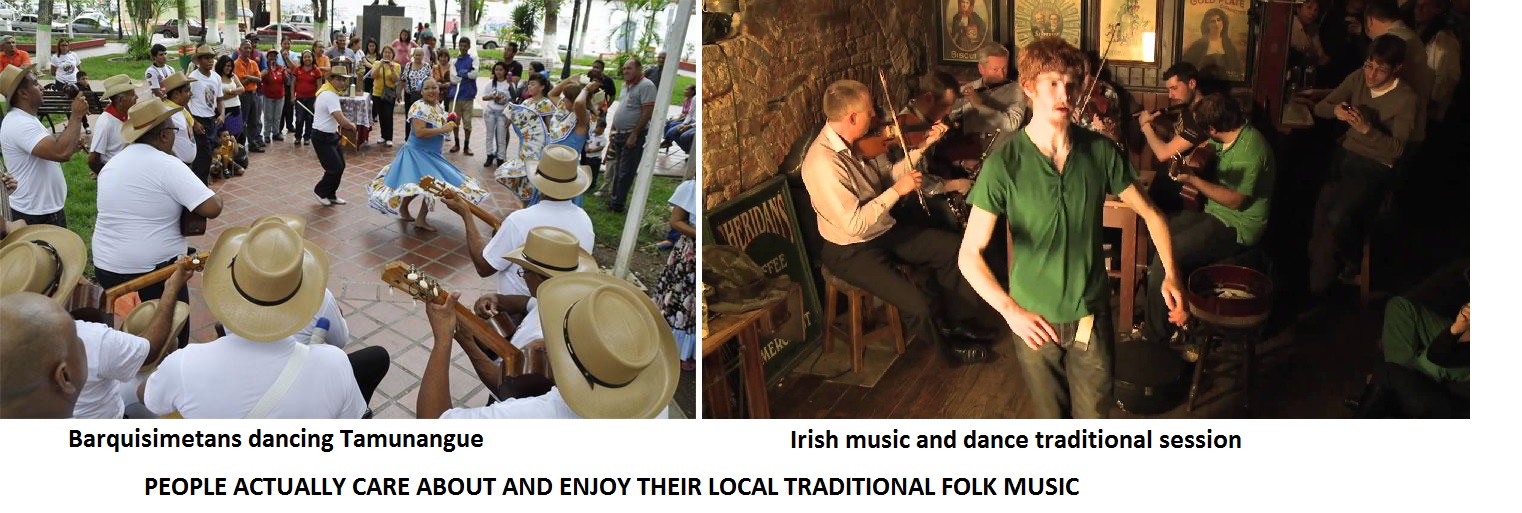
5. The power of music: Venezuelans give to Barquisimeto the nickname of "The Music Capital of the Country", and even though Dublin is already a capital city, the fact is that they both value live music very highly. People expect to hear live music at many occasions, and a remarkably high number of people know how to play an instrument or at least sing decently. And also, even though they both are busy modern cities, they hold folk music in a very especial place, and people actually enjoy listening to it and playing it. Fun fact, Sambil Barquisimeto, a very popular shopping centre, won some major architecture awards and it's in the shape of a cuatro (Venezuelan ukelele-like national instrument).


Via (left pic) es.wikipedia.org (right pic) irelandluxurytours.com
6. The multitudinary religious festival: Both cities gather hundreds of thousands of people once a year for a world-famous religious festival. In Barquisimeto, the day is January 14 and the protagonist is "La Divina Pastora", celebrated with a procession that has counted two million people; in Dublin the day is March 17 and the honoured is Saint Patrick, with a parade that's said to be the national holiday celebrated in more countries around the world (while Dublin's festival counted around 500 thousand people, NYC's had around two million last year).


Via (left pic) laraconsabor.blogspot.es (right pic) foodwallpaper.info
7. The obsession with traditional breakfasts: While Irish breakfast beats Venezuelan breakfast in popularity, if both were competing to determine the one that's a biggest deal to locals, it would be a tie. Barquisimetans love to have the full traditional breakfast on a Sunday, whether at home, or offered in many restaurants like "Desayuno Criollo" (creole breakfast). In both cases, it's as heavy as a lunch and then some more.

8. Big city with village vibes: Even tough they both are big cities (Barquisimeto with around one million people and Dublin with over 500 thousand), sometimes it feels like everyone knows each other and you keep bumping into people you know everywhere (I can't imagine this happening in New York, and certainly almost never in Caracas). In fact, sometimes news travel as fast as in a small town, and someone's last name is still a common way to do a mind check to search for common acquaintances (are you related to the whatever's of x-town? oh! He's my cousin's cousin!). Besides this, people actually go to city parks and squares and despite heavy traffic and busy schedules, you don't feel as stressed or rushed as in other cities.

Via (left pic) taringa.net (right pic) architecture.about.com
9. The Spire and El Obelisco: There's nothing like a tall and thin uninhabited building in the middle of city centre to say "this area is important". Dubliners have the shiny Spire, Barquisimetans have El Obelisco.

10. The people's charisma: Being fun and thinking fast are parts of both cultures. In both cities, it seems like people always have the perfect expression for something, and they're often charged with a strong sense of humour. Both Dubliners and Barquisimetans LOVE stuff that rhymes, and are quick to say a quirky exclamation when surprised or feel like someone's trying to fool them. Both are known for their distinct accent (which stands out even among people from the same country) and for making witty remarks.

Well, that's it. I don't know if it's just me, but I really believe that these two cities have a lot in common. 
Have you been in both? I would love to hear your thoughts on this over the comments!